

Frequently Asked Questions
-
The size of the dumpster you need depends on the amount and type of waste you plan to dispose of. Common sizes range from 10 to 40 cubic yards. For example a 20 yard dumpster can hold 110-130 33-gallon trash bags or six pickup truck loads. We can can help you determine the appropriate size based on your project requirements.
-
Rental periods typically range from 3 to 14 days, but you can usually extend the rental for an additional fee if needed. We offer flexible rental options to accommodate your project timeline.
-
Depending on your location and local regulations, you may need a permit to place a dumpster on public property or the street. Check with your municipality to determine if a permit is required
-
If you exceed the weight limit specified in your rental agreement, you may incur additional fees. Similarly, if you fill the dumpster before your rental period ends, you can request an early pickup or request additional dumpsters.
-
Dumpster rental costs vary depending on factors such as size, rental duration, location, and type of waste. Generally, prices range from $200 to $800 or more per rental, with additional fees for exceeding weight limits or extending rental periods.
-
You can typically dispose of common construction debris, household junk, yard waste, and other non-hazardous materials in a roll-off dumpster. However, certain items such as hazardous waste, electronics, tires, and appliances may require special disposal methods.
-
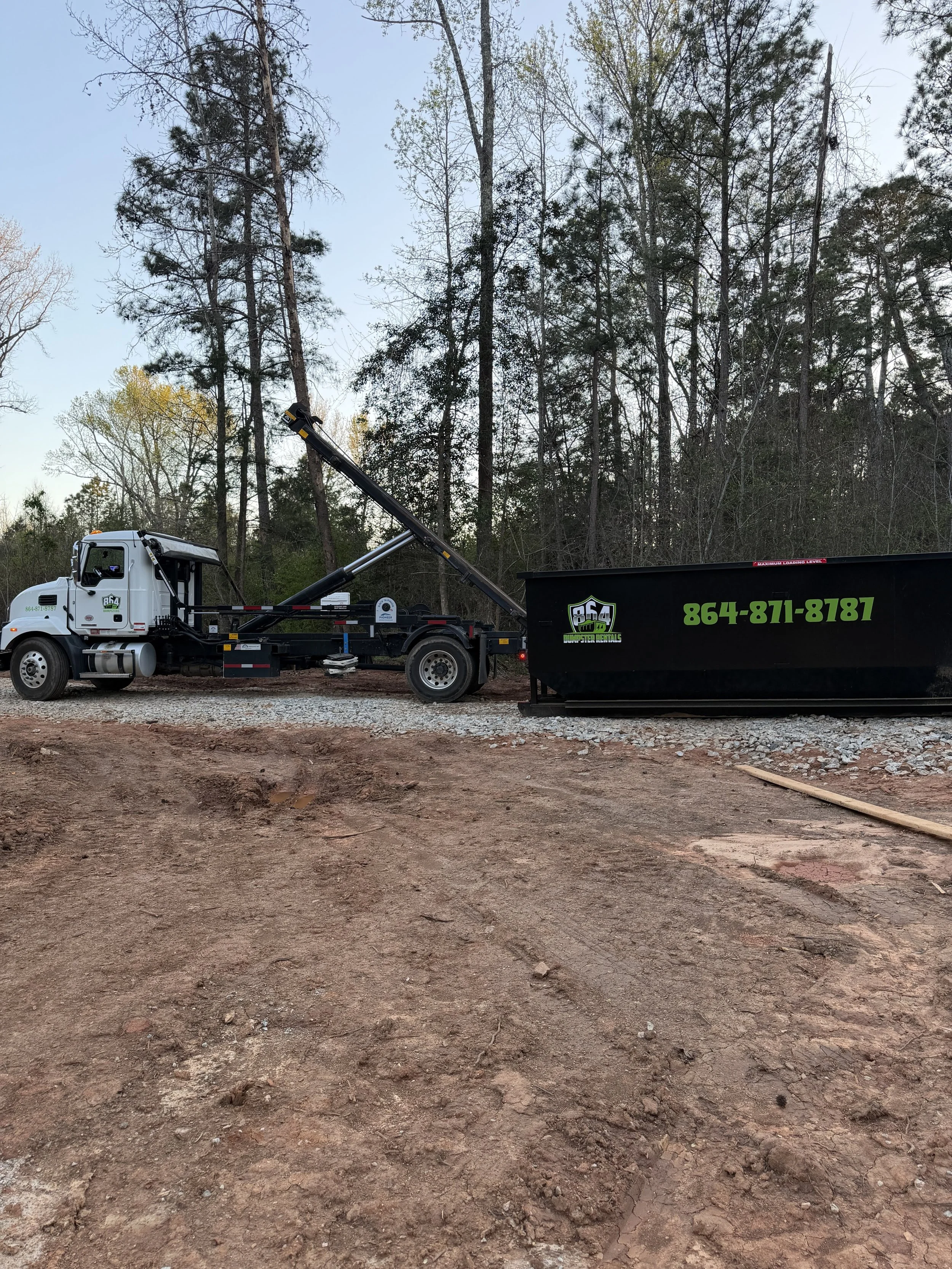
Ensure that the delivery location is clear of obstacles, such as vehicles, low-hanging branches, or overhead wires. Make sure there's enough space for the dumpster and the delivery truck to maneuver safely. Also, mark the desired placement spot with cones or markers if necessary.
-
Distribute weight evenly throughout the dumpster to prevent overloading or imbalance. Avoid throwing heavy objects from a height, as this can damage the dumpster or cause safety hazards.